Sandwich Panels
High-Quality Insulated Roof and Wall Panels for Industrial Buildings
Sandwich Panels Manufacturer in India
The demand for sandwich panels in India has increased significantly with the rapid growth of industrial infrastructure, logistics parks, and modern warehouses. These insulated sandwich panels are widely used for industrial pre engineered buildings due to their thermal insulation, lightweight structure, and fast installation. Many developers prefer roof and wall sandwich panels to create energy-efficient industrial spaces.
KMS Technologies is among the reliable sandwich panel manufacturers in India, supplying a wide range of PUF sandwich panels, industrial sandwich panels, and insulated wall and roof panels. These panels are widely used in warehouses, Cold Storage facilities, factories, clean rooms, and poultry farms.
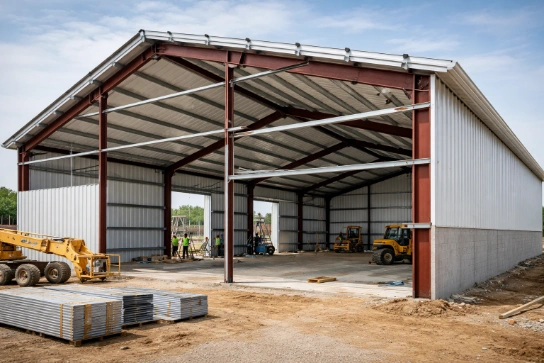
What Are Sandwich Panels
Sandwich panels are prefabricated panels made by combining two outer metal sheets with an insulating core material in between. This layered structure provides strength, insulation, and durability. They are commonly used in modern industrial construction because they are lightweight, quick to install, and help maintain internal temperature. Industrial sandwich panels are widely used for roofing and wall cladding in factories, warehouses, cold storage units, and other insulated buildings.
Structure of Sandwich Panels
Sandwich panels are designed using a multi-layer structure that combines strength, insulation, and durability. The outer metal sheets provide structural protection, while the internal insulation core helps control heat transfer and improve energy efficiency in industrial buildings.
-
 Outer Metal Sheets: These are typically pre-painted galvanized steel sheets that protect the panel from weather exposure and provide structural rigidity.
-
Insulation Core: The core material provides thermal insulation and sound resistance. Common materials include polyurethane (PUF), PIR, EPS, rockwool, and glass wool.
-
Bonding Layer: A specialized bonding process joins the metal sheets and insulation core together, ensuring panel strength, stability, and long-term performance.
Types of Sandwich Panels
Different types of sandwich panels are available depending on insulation performance, fire resistance, and the specific needs of industrial buildings. The insulation material used inside the panel determines its thermal efficiency, safety performance, and suitability for various industrial environments.
-
PUF Sandwich Panels: PUF sandwich panels offer excellent thermal insulation and are widely used in cold storage buildings, warehouses, and food processing facilities where temperature control is important.
-
PIR Panels: PIR panels provide improved fire resistance compared to standard polyurethane panels while maintaining strong insulation performance. They are commonly used in industrial facilities requiring enhanced fire safety.
-
EPS Sandwich Panels: EPS panels are cost-effective insulated panels widely used for industrial sheds, temporary structures, and warehouses where moderate insulation is sufficient.
-
Rockwool Sandwich Panels: Rockwool sandwich panels offer high fire resistance and sound insulation. They are often used in factories, power plants, and industrial buildings where fire safety standards are critical.
-
Glass Wool Panels: Glass wool panels provide good thermal and acoustic insulation. These panels are suitable for buildings where sound control and energy efficiency are both required.
Advantages of Sandwich Panels
Sandwich panels have become a preferred construction solution for industrial buildings due to their combination of insulation performance, structural strength, and installation efficiency. These panels help reduce construction time while improving energy efficiency and indoor comfort.
-
Thermal Insulation: The insulated core reduces heat transfer, helping maintain stable internal temperatures in warehouses and factories.
-
Fast Installation: Prefabricated panels can be installed quickly, reducing construction timelines for industrial buildings.
-
Lightweight Construction: Compared to traditional wall systems, sandwich panels are lighter and reduce structural load on the building frame.
-
Energy Efficiency: By improving insulation performance, these panels help lower energy consumption in temperature-controlled facilities.
-
Durability: High-quality metal sheets and bonded insulation cores provide long service life and resistance to weather conditions.
Applications of Sandwich Panels
Industrial sandwich panels are widely used across many industrial and commercial building projects. Their insulation performance, lightweight structure, and fast installation make them suitable for different environments where temperature control and efficient construction are important.
-
Industrial Warehouses: Sandwich panels are commonly used for warehouse walls and roofing, helping maintain internal temperatures and reducing heat gain.
-
Cold Storage Buildings: Highly insulated PUF sandwich panels are widely used in cold storage facilities to maintain controlled temperatures for food and pharmaceutical storage.
-
Clean Rooms: Panels are used in pharmaceutical and electronics clean rooms due to their smooth surface finish and insulation properties.
-
Industrial Sheds: Many industrial sheds use roof and wall sandwich panels to create insulated and weather-resistant building envelopes.
-
Poultry Farms: Sandwich panels help maintain controlled environments in poultry farms, improving ventilation and temperature management.
Sandwich Panel Thickness Guide
Sandwich panels are available in different thickness options depending on insulation requirements, building type, and environmental conditions. Thicker panels generally provide better insulation performance and are used in temperature-controlled facilities.
-
30 mm: Suitable for partitions and structures where minimal insulation is required.
-
50 mm: Commonly used in warehouses, small industrial sheds, and commercial buildings.
-
75 mm: Provides improved insulation and is often used in industrial buildings and logistics facilities.
-
100 mm: Typically used in cold storage facilities and temperature-controlled warehouses.
-
150 mm: Used in high-performance cold storage buildings requiring strong thermal insulation.
How to Choose the Right Sandwich Panel
Selecting the right sandwich panel depends on several factors related to building design, environmental conditions, and insulation performance. Understanding these requirements helps ensure the panel system delivers the expected thermal efficiency and durability.
-
Insulation Needs: Buildings requiring strict temperature control may need thicker insulated sandwich panels with high-performance insulation cores.
-
Fire Rating: Industries with strict safety requirements may prefer PIR or rockwool panels due to their improved fire resistance.
-
Application: Roof panels, wall panels, and partition panels may require different specifications depending on the building design.
-
Environment: Climate conditions, humidity levels, and industrial exposure should be considered when selecting panel materials.
Why Choose KMS Technologies
KMS Technologies supplies a range of industrial sandwich panels designed for modern industrial construction projects. With experience in manufacturing and supplying insulated building panels, the company supports developers, contractors, and industrial facility owners in selecting suitable panel systems.
-
Manufacturing Expertise: Experience in producing high-quality PUF sandwich panels and insulated wall and roof panels for industrial buildings.
-
Quality Materials: Panels are manufactured using durable metal sheets and tested insulation materials to ensure long service life.
-
Customized Panel Solutions: Different panel thicknesses, insulation cores, and profiles are available based on project requirements.
-
Reliable Delivery and Installation: Efficient production and logistics help ensure timely panel supply for industrial construction schedules.
-
Support for Industrial Projects: Technical guidance is provided to help clients select suitable panels for warehouses, cold storage, factories, and other facilities.
Our Related Services
Explore our complete range of pre-engineered building solutions
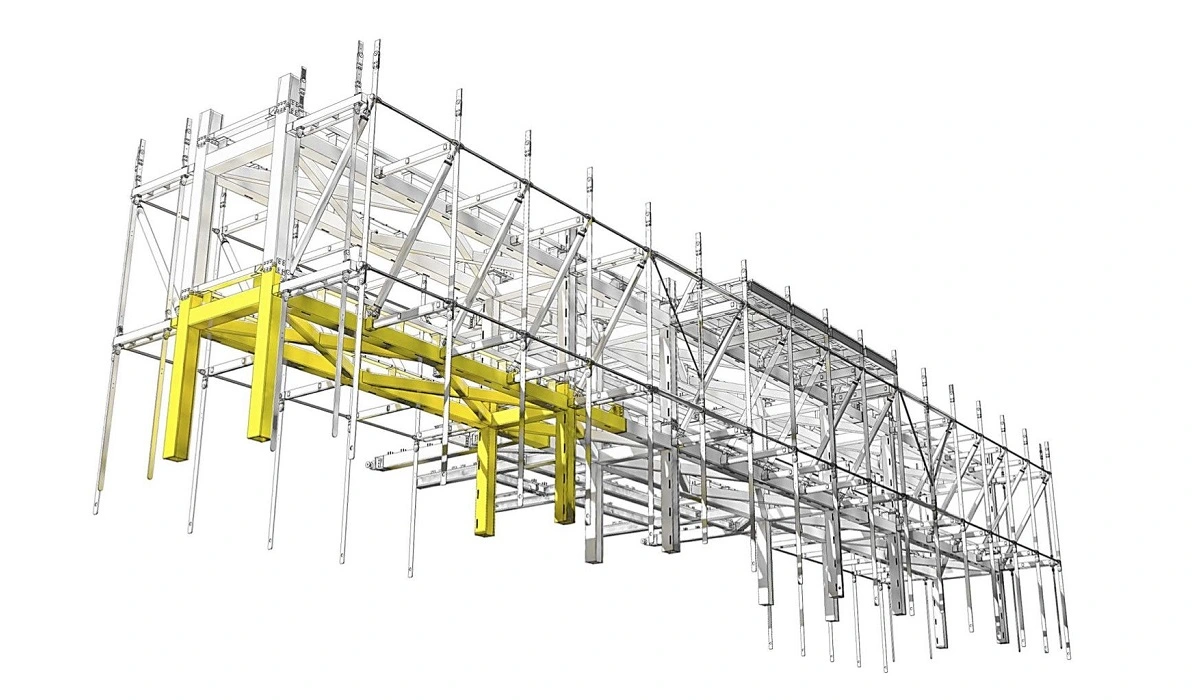
Structural Designing
Comprehensive PEB structural design covering primary frames, wall systems, and load transfer mechanisms engineered to IS 800:2007 and IS 875 for safe, cost-efficient buildings.
Explore Structural Designing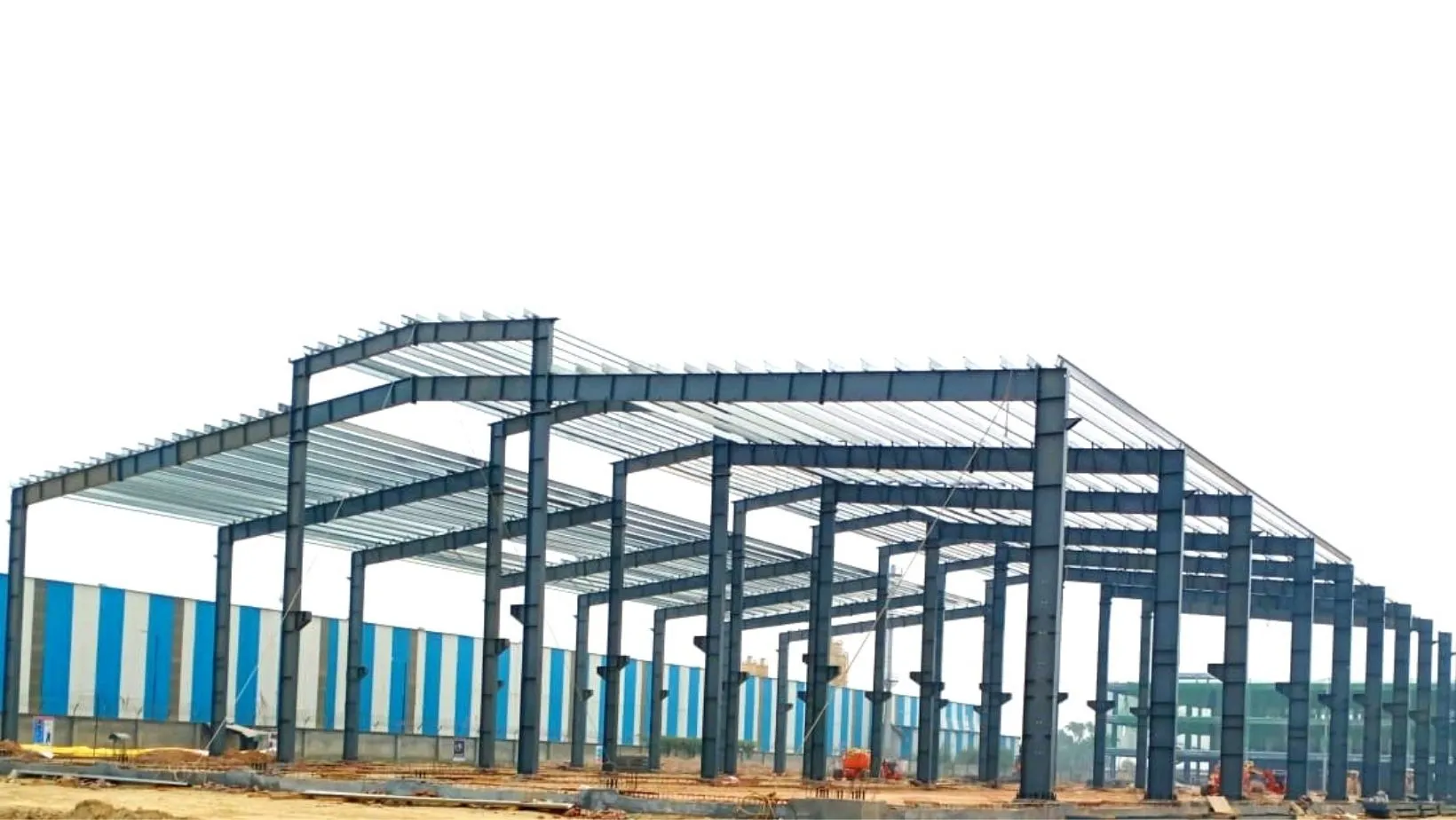
Standard Frame Type
Conventional clear-span and multi-span rigid frames engineered for standard load conditions, providing predictable structural performance.
View Standard Frame Types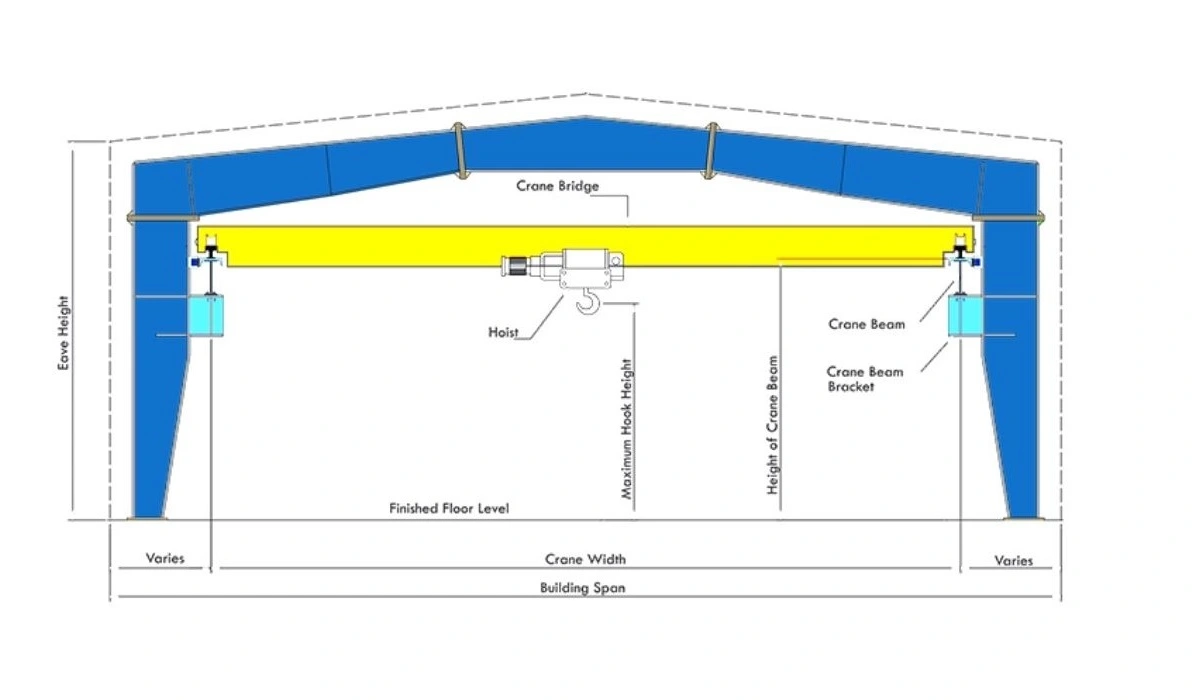
Accessories & Crane System
Overhead crane-ready structures with integrated runway beams, bracket plates, and accessories designed for demanding material-handling environments.
Explore Crane & Accessories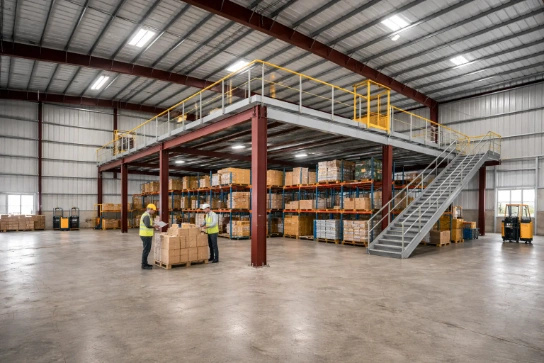
Mezzanine Systems
Steel intermediate floor platforms engineered to IS 800 for warehouses, manufacturing plants, and logistics hubs — maximising vertical space.
Explore Steel Mezzanine Systems